
Magnetic Gradiometry of the archaeological landscape of abandoned Nieszawa 
Earth Resistance survey reveals previously unknown features on the town square 
Ground Penetrating Radar survey further complements the dataset 
Magnetic Susceptibility survey shows how the intensive use of the town square has drastically changed soil characteristics 
Mapping of archaeological features linked with various phases of the town’s history

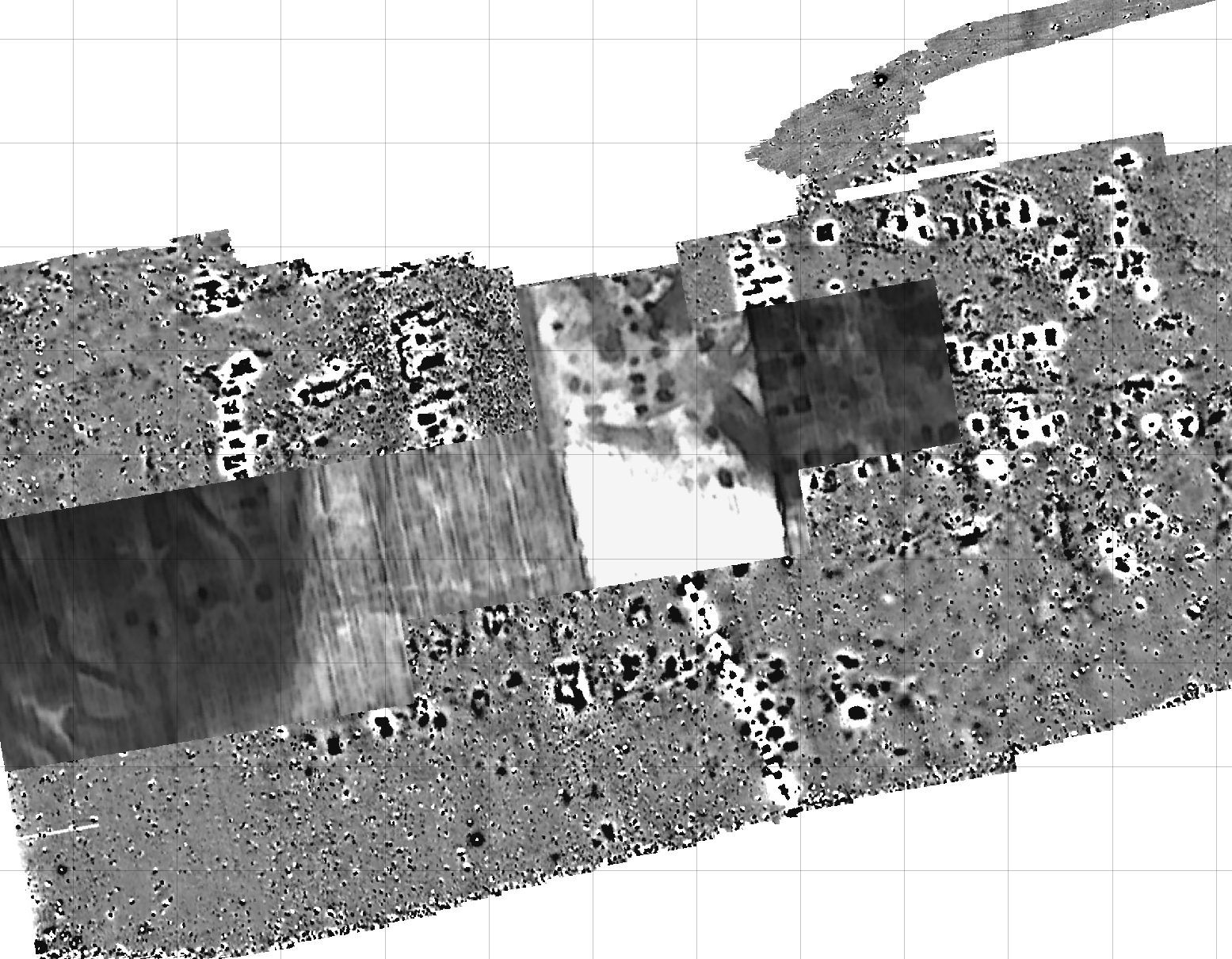


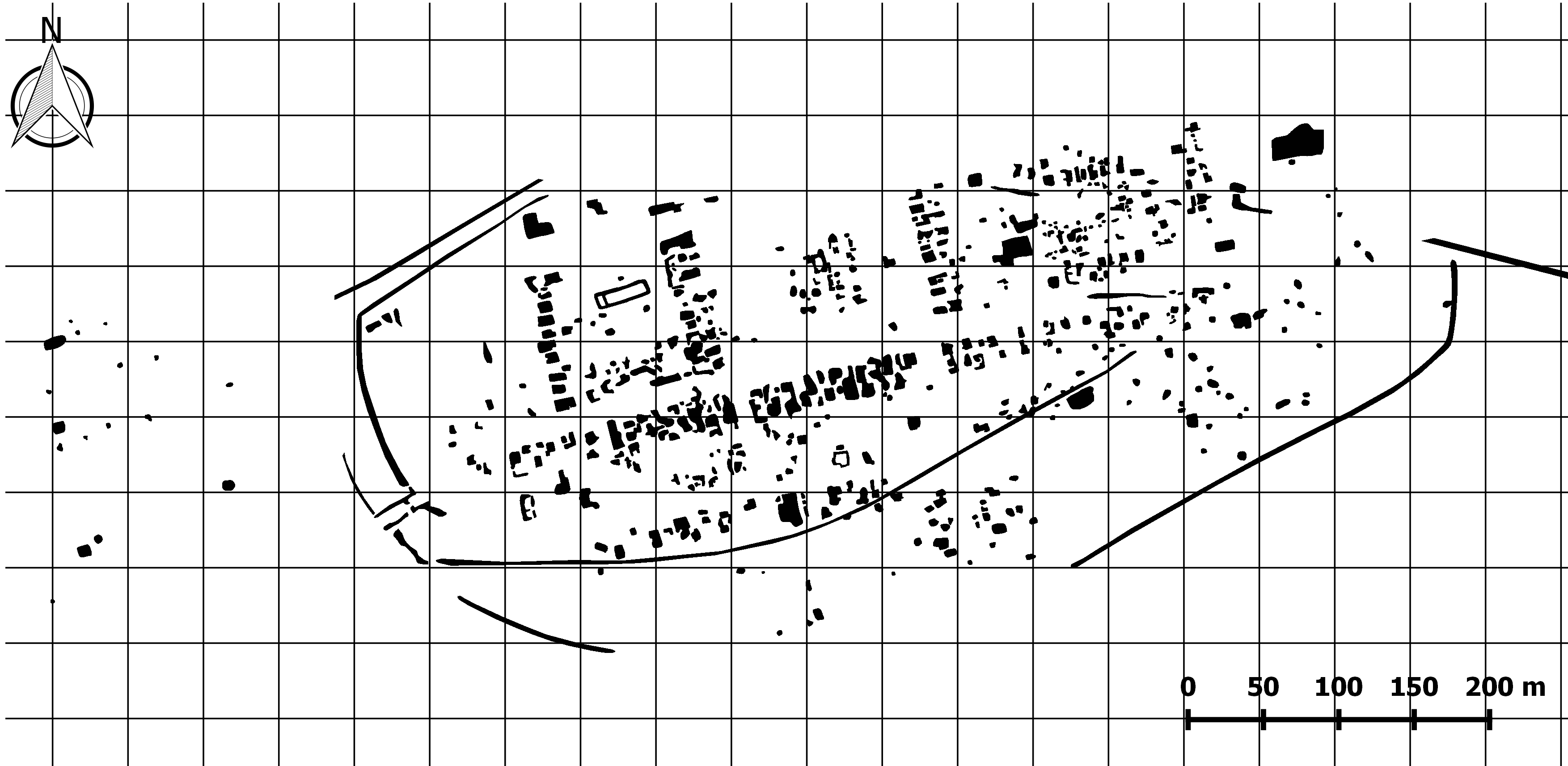
New Nieszawa was a thriving medieval urban organism, covering approx. 22 hectares on the restless border between The Kingdom of Poland and the Teutonic Order. It was a place were important figures bought real estate, among them bishop Stanisław Ciołek (1382-1437) the Royal Secretary and vice chancellor to King Władysław II Jagiełło (Janosz-Biskupowa 1954). In 40 years the town grew into an important economic entity, successfully competing in trade on the Vistula River until its relocation during the Thirteen Years’ War.
The uniqueness of this site is undisputable as previous foundations of other medieval towns are often overbuilt by later structures. In this case the site is located on a flood plain and has historically been unattractive for investments and settlement. The circumstances of its conservation may also be called at the very least as fortunate. Located approx. 2 km from Toruń’s centre, the site exists separated from the ongoing development and urban sprawl, ironically at the same time protected and endangered by the floods of the Vistula for over half a millennia. This state of things is however slowly changing. New Nieszawa has yet to be written into the national monument registry and is threatened by hazards of the modern world. One of such is the ever-growing number of people using metal detectors as a hobbyist free time activity, looking for artefacts in various places, including archaeological sites. Nieszawa’s site, located within the bounds of Toruń presents a convenient opportunity for such activities. Furthermore, due to the creation of new infrastructure, such as a recently built sewage pipeline just next to recorded magnetic anomalies indicating the presence of supposed medieval town gate shows how the lack of archaeological supervision may irreversibly destroy any forms of cultural heritage or possibilities to conduct non-invasive surveys in the future (due to the strong magnetic field of the installation and disturbance of subsurface strata). In this case, again by chance, this sewage pipeline missed the supposed town delimitations by a meagre few meters. This is an alarming example of how once non-endangered archaeological sites such as New Nieszawa are currently becoming liable to destruction and require a re-evaluation of heritage resources and their protection strategies.
Systematic non-invasive surveys also reveal the effort that was put into the spatial organization of the town, showing this large state investment in a nearly ideally petrified state from 550 years ago. These rare circumstances, extremely beneficial from archaeological prospection’s point of view allow not only to see, basing on various anomalies, how the town truly functioned but are also the means of understanding Nieszawa in a grander scheme of things. It was not just another failed local investment but part of a larger political gamble initiated by the Kingdom of Poland in centuries-old conflict with the Teutonic State, both vying for dominance in the region.
Project website: http://staranieszawa.wordpress.com/old-nieszawa/